Do LinkedIn Posts Rank in LLMs?
LinkedIn posts play a major role in how LLMs shape reputation, but most of that narrative is driven by third-party content, not you. Engagement helps, but relevance matters more, and even older posts can surface. Career-related queries are a key exposure area, often pulling in external perspectives, so monitoring and influencing third-party content is critical.
It is well known that LinkedIn is playing a large role in LLM answers. However, it is unclear exactly what type of information is being pulled from the platform. After a client inquired about whether it is worth dedicating resources to an executive’s LinkedIn profile, we used Five Blocks' proprietary AIQ branded prompt tracker to find out just how influential LinkedIn Posts were. We found that LinkedIn posts have become an influential input shaping how AI describes their brand to the world.
But which types of posts, which types of prompts, and which industries are getting the most traction in LLMs?
1. Yes, LinkedIn Posts Rank in LLMs
In our dataset, we identified 795 unique LinkedIn post URLs cited across 1,081 total citations. Some posts appeared for multiple prompts and entities.
Which LLMs cite LinkedIn?
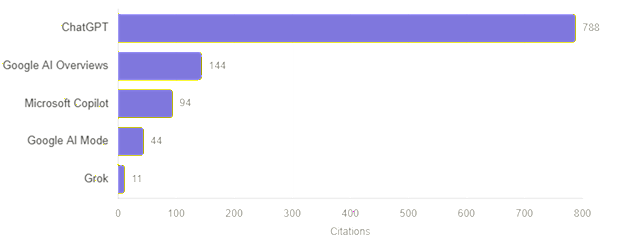
Notably, Gemini, Claude and Perplexity returned no LinkedIn posts. It is also worth noting that ChatGPT is generally the most generous LLM with regards to referencing sources.
2. What Kind of Industries Does LinkedIn Rank For?
When we control for our database composition, certain industries seem to rank better or worse than expected. The chart below shows how often various industries were receiving LinkedIn posts as compared to how often we were sampling them in our database.
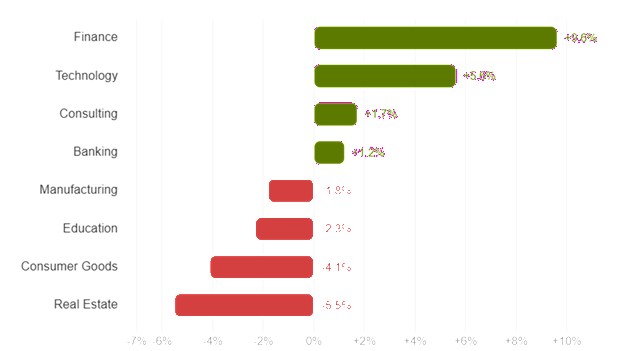
Finance and technology are over-represented amongst industries with LinkedIn posts in their LLM answers, while consumer goods and real estate are the most underrepresented. This is perhaps not surprising as finance and tech are two industries that drive LinkedIn in general.
3. What Kind of Prompts Surface LinkedIn Posts?
Understanding which questions trigger LinkedIn results is critical for reputation strategy. We categorized every prompt that produced a LinkedIn citation:
Prompts Most Likely to Trigger LinkedIn Citation
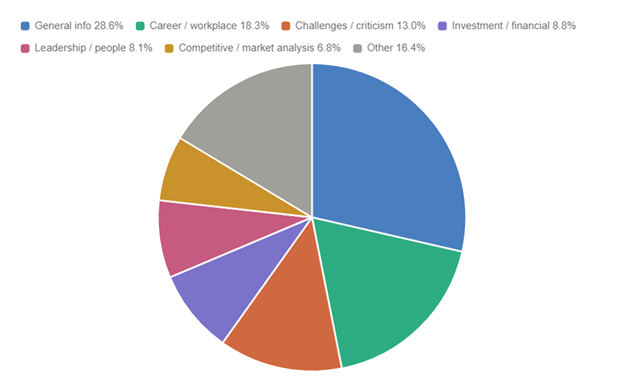
The most common trigger is straightforward: general information queries (28.6%) like “What is [company]?” or SWOT analyses. But the second-largest category, career and workplace queries (18.3%), is notable. Questions like “What is it like to work at [company]?” or “[Company] careers” frequently return LinkedIn posts, often compensation analyses or employer brand breakdowns written by outside commentators, not by the company itself.
Challenges and criticism queries (13.0%) also surface LinkedIn content regularly. When someone asks an AI “What challenges is [company] facing?”, LinkedIn posts can be part of the answer. For communications teams managing sensitive narratives, that's a significant exposure point that requires monitoring.
4. What Kind of LinkedIn Posts Rank?
This is where the data gets most actionable. We analyzed every cited post to identify what is getting cited by AI models.
Engagement: Important, But Not Required
The median total engagement (likes + comments + shares) across cited posts is 83. However, 13.8% of cited posts have 10 or fewer total interactions, and some have zero engagement at all.
LLM Cited LinkedIn Post Engagement
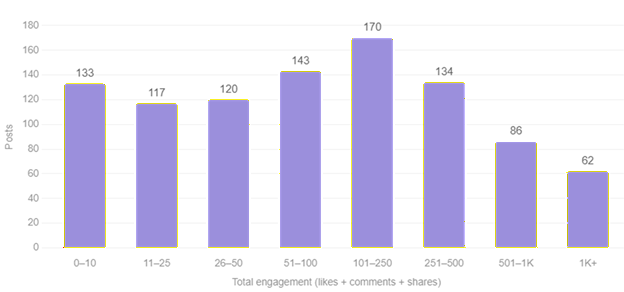
To put this in context some estimate that 75% of posts get 3 or fewer likes. In our dataset, the floor is significantly higher, but not as high as you might assume. LLMs appear to over-index on engagement versus the LinkedIn baseline, but they do not exclusively cite viral content. Informational relevance clearly plays a role alongside popularity signals.
First-Party vs. Third-Party Content
Only 27.9% of cited posts are first-party (posted by the entity’s own account or employees/affiliates). The remaining 72.1% are third-party: industry commentators, news aggregators, clients, or analysts/competitors posting about the entity.
This has major implications for reputation management. The vast majority of LinkedIn content that LLMs cite about you is not content you control. Make sure that your social strategy involves engaging with thought leaders in your industry.
LinkedIn Content Has a Much Longer AI Shelf Life Than Anyone Expects
The median cited post is 172 days old (~6 months), but the range stretches from 3 days to nearly 8 years.
LLM cited LinkedIn post age
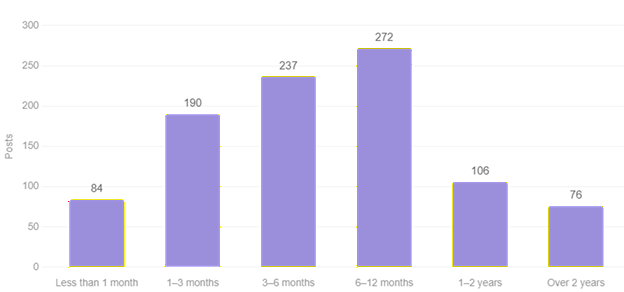
Nearly 19% of cited content is over a year old. This is significant: This fundamentally changes the calculus for LinkedIn strategy. Content published today can continue to shape your AI narrative for years. The catalogue you build now is an investment in how AI describes you long into the future.
What This Means for Your Strategy
The data points to several actionable conclusions:
LinkedIn posts are a real LLM influencer. If you are not thinking about posts as part of your AI search strategy, you are ignoring a significant channel. This is especially true If you are in the finance or tech space.
You do not directly control most of your LinkedIn narrative in AI. With 72% of cited posts coming from third parties, the content that LLMs cite about you is largely written by others. Proactive monitoring and a strategy for encouraging favorable third-party content is essential.
Engagement helps, but relevance matters more. While cited posts outperform the LinkedIn average, many low-engagement posts still rank. LLMs are evaluating content for informational value, not just popularity. Substantive, entity-rich content can rank regardless of likes and comments.
LinkedIn content has an unexpectedly long AI shelf life. Nearly one in five cited posts is over a year old. Even if a post does not immediately rank, building a large post catalogue over time can pay off
Career and reputation queries are the surprise exposure point. Nearly one in five LinkedIn post citations comes from career/workplace prompts. Career and workplace queries surface a mix of third-party compensation benchmarks, industry analysts comparing employer brands, corporate recruitment content, and, in a smaller but notable share, genuine employee reflections on company culture. The majority of what LLMs cite for career queries is not from employees themselves, but from outside commentators analyzing compensation and hiring trends
Do you want to see what kind of LinkedIn posts are surfacing for prompts related to you or your business? Contact us today!
_______________________________________________________________________________________________________________________________________
Methodology: Analysis based on 1,081 LinkedIn post citations across 5 LLM models (ChatGPT, Google AI Overviews, Copilot, Google AI Mode, Grok), covering 371 entities from Five Blocks’ AIQ database. Post engagement and content data scraped from LinkedIn. Entity mentions computed via fuzzy matching. Data collected March 2026. Claude, Perplexity, and Gemini did not surface any cited LinkedIn posts, but were also tracked.